











“Finally, we’re seeing a shift of power, energy flowing into Manchester, said Andy Burnham in an interview with the BBC, referring to the city’s music industry.
It would be impossible to talk about Manchester without mentioning music. From shaping its identity to defining its culture, music has played a vital role in making the city what it is today. With artists such as The Smiths, Oasis, Harry Styles and The 1975 all coming from just down the road, Manchester is often seen as a city that feels alive, with music at its core. That cultural impact is matched by its economic power too, with the music industry in Greater Manchester contributing an estimated £469 million to the economy and supporting over 11,000 jobs, according to the Manchester Music Economy Report (2022). But is that still the case today?
To truly see what music in Manchester looks like now, it’s not enough to focus on the bigger names. The real story lies with the local bands, student musicians, and those just starting out.
That’s what led me to Fuel Café Bar a few weeks ago, where I watched the Wrightsound Quartet, an independent, student-led jazz band from Xaverian College. Made up of four members; Charlie, Elliot, Frank and Joe, the group represents a different side of Manchester’s music scene, one that exists beyond fame.
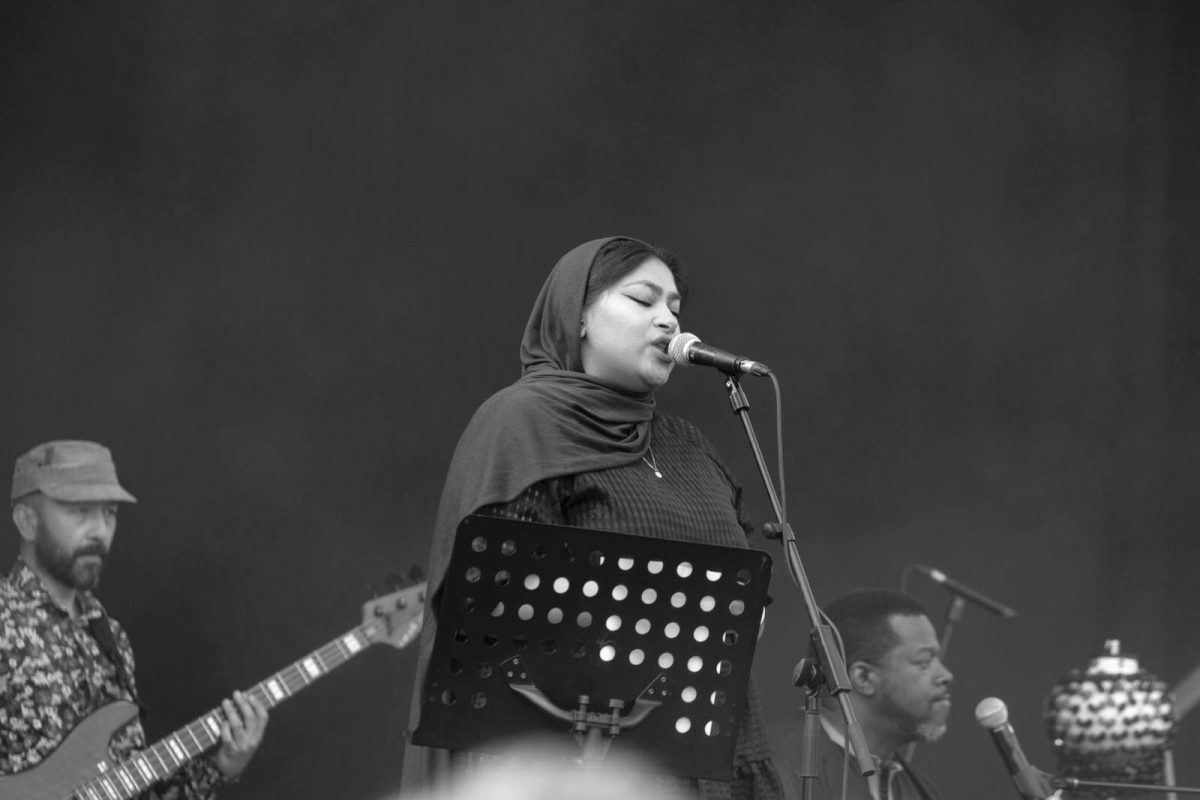
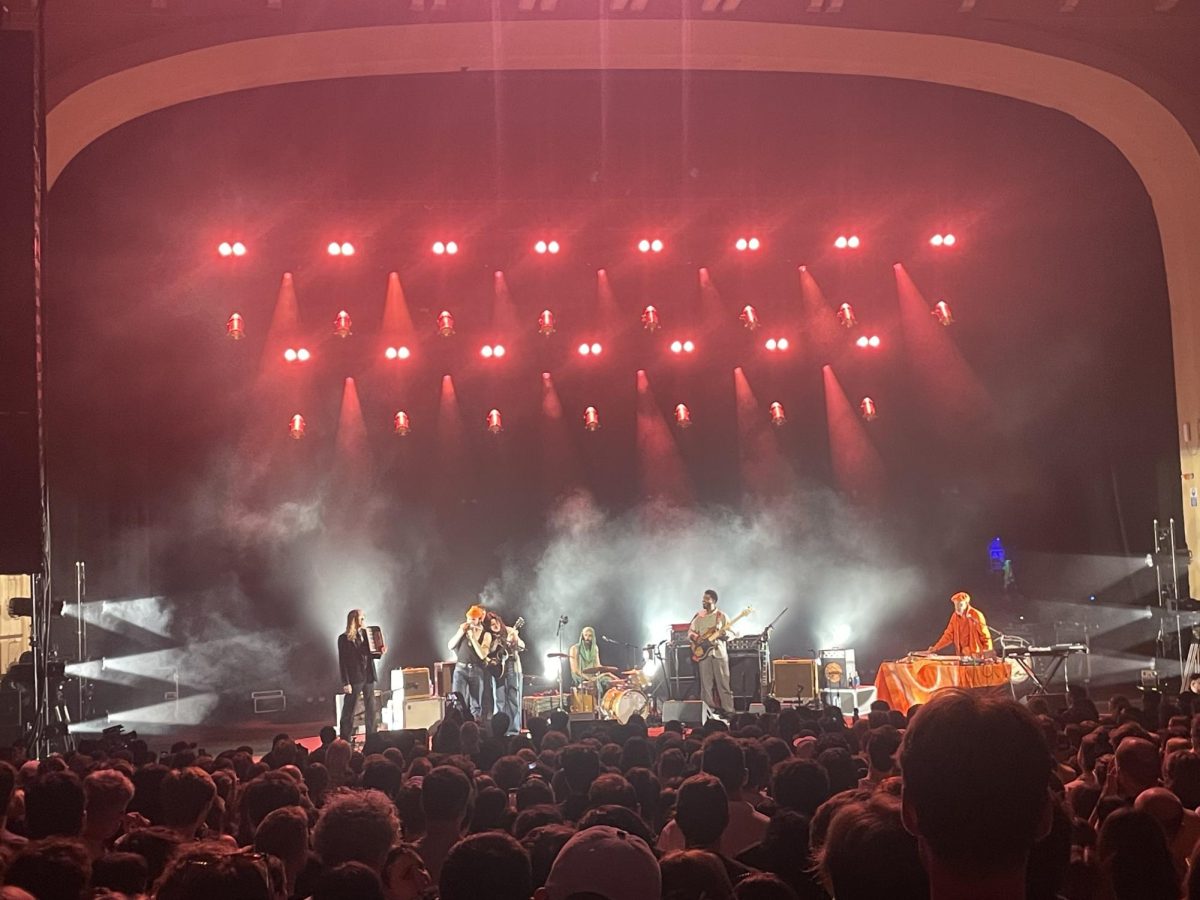
The atmosphere inside Fuel Café Bar reflected this perfectly. The room was small but full, with a crowd that felt genuinely engaged. There was a sense of connection between the band and the audience that’s hard to replicate in larger venues, like the Co-op Live. As Joe put it, “Making other people happy and enjoy the music makes you feel really good as well.” This shared energy is what defines live music, no matter the level its being played at. It’s this kind of atmosphere, repeated across small venues and even on the streets, that shows how Manchester’s music scene isn’t just about its past or its biggest names, but about the everyday moments where music brings people together.
However, this sense of connection isn’t only found in the small music venues that Manchester has. Whether you’re walking through the Northern Quarter or even just down Market Street, you won’t get far without hearing some form of live entertainment. It’s this atmosphere that makes the city feel alive. For most, these buskers provide a first step into Manchester’s music scene and its completely accessible.
In a world dominated by streaming services, the way we consume music has changed dramatically. In 2015, around 75 million people used Spotify, compared to over 760 million in 2026, a huge shift in how music is accessed and experienced. Now, it’s simple to listen to music: just pop your headphones in and press play. But the feeling is nothing compared to being in a crowd or having the performer right in front of you.
For the Wrightsound Quartet, that sense of togetherness is central. Charlie explained that the band has, “helped us all come together, as well as improved our skills,” highlighting how music, is as much about connection as it is about sound. In a city with such deep musical roots, that feeling is amplified.
Ultimately, music in Manchester isn’t defined by the size of the venue or the fame of the artist. It exists in small rooms, on busy streets, and in the relationships built through performance. It’s a shared experience-a way of bringing people together. If Manchester is a city that breathes music, it’s not just because of its past, but because of the everyday moments where music continues to connect people.


Patricia Aroyewun • May 5, 2026 at 6:19 am
Well said – loved reading this about the music scene and it really does ‘make the city feel alive!’