

























If you open Tiktok, you’ll likely be bombarded with ludicrously priced hauls, influencers often telling you exactly what to wear and which fast fashion shop to ‘run-don’t-walk’ to.
However a recent survey by eBay revealed that 46% of people worldwide buy second-hand goods monthly, and 92% of Brits hope to buy more second-hand in the future.
However, while second-hand shopping is rising in popularity, there are still issues: Remarket, a vintage fashion shop in Manchester, explained how: “Some people still associate it with concerns around cleanliness and quality.” However they added that “when second-hand is presented well and curated properly, those barriers tend to disappear.” Remarket’s vision is to bring a “community-driven” feel to second-hand shopping while “creating spaces where people can discover great clothing, support independent sellers, and feel good about how they’re consuming, without it feeling exclusive or inaccessible.”
The second-hand clothing industry is popular for those who want to save money without compromising on quality. In recent years there has been a rise in environmental consciousness and activism, so consumers are also seeking a sustainable alternative to fast fashion. According to the UN Environment Programme, fast fashion is responsible for approximately 10% of global carbon emissions and is the second largest consumer of water.
Pop Boutique, another vintage clothing shop in Manchester, said that “We need a reset in thinking; people should buy less but better quality clothing so it can then go on to have a second life and not contribute (as much) to the negative impact on the planet.”
Like many trends these days, social media has played a part in promoting ‘thrifting’. It is a source of affordable clothes and also an engaging hunt for one-of-a-kind pieces. Singers such as SZA and Florence Welch are known for incorporating vintage pieces in their onstage looks. Welch has been seen in ethereal vintage dresses from cult 1970s brand Gunne Sax, and chooses slow fashion vintage brands such as Turner vintage. Similarly, actor Drew Barrymore has expressed her passion for flea markets and thrift stores, revealing in a 2019 Vogue interview that “predominantly what I buy is vintage clothes”.
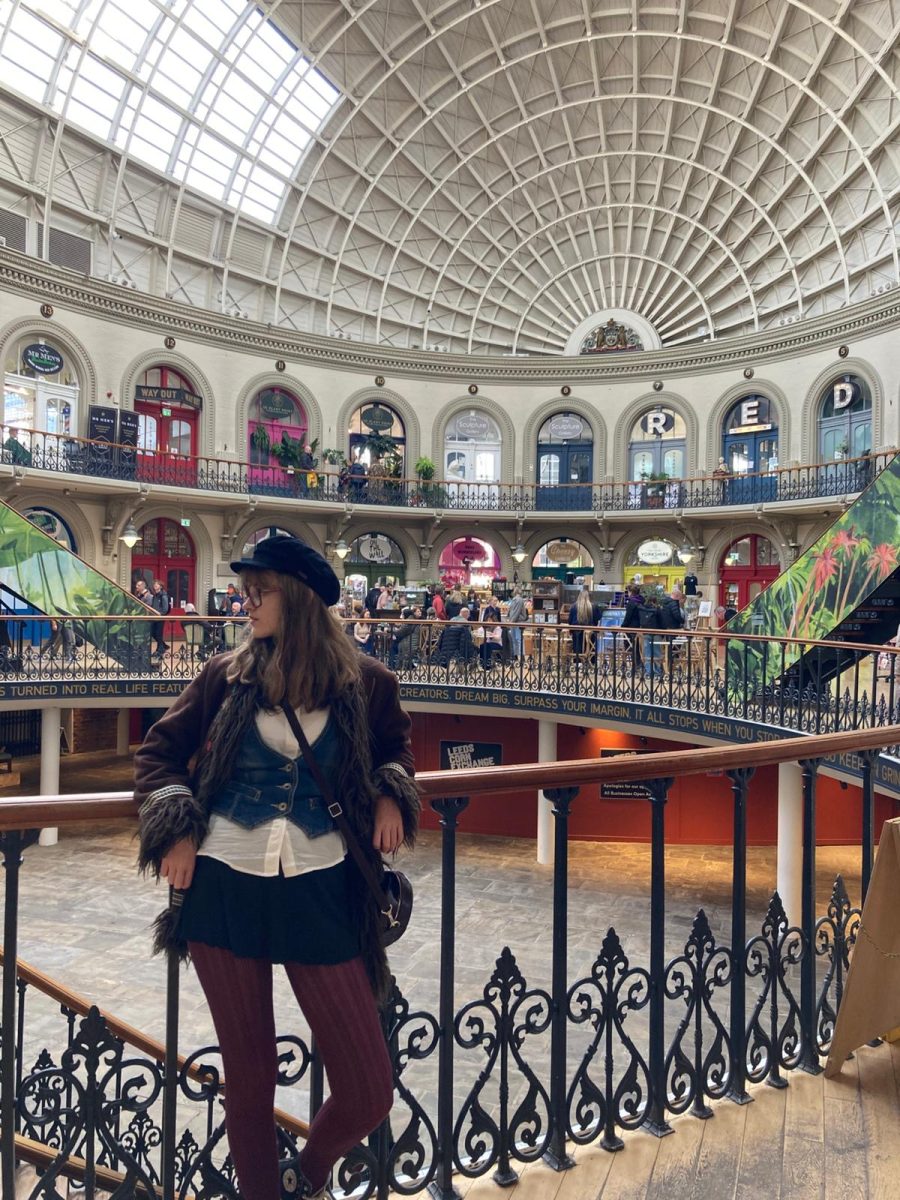
Trends are inherently cyclical, so it seems counterintuitive to buy into cheap microtrends when you could invest in longer-lasting, timeless pieces. Think of what’s trending now: polka dots, which dominated the 1950s; low-rise jeans, a chic Y2K symbol; and my personal favourite, Afghan-style coats, which effortlessly emulate 70s groovy-ness.
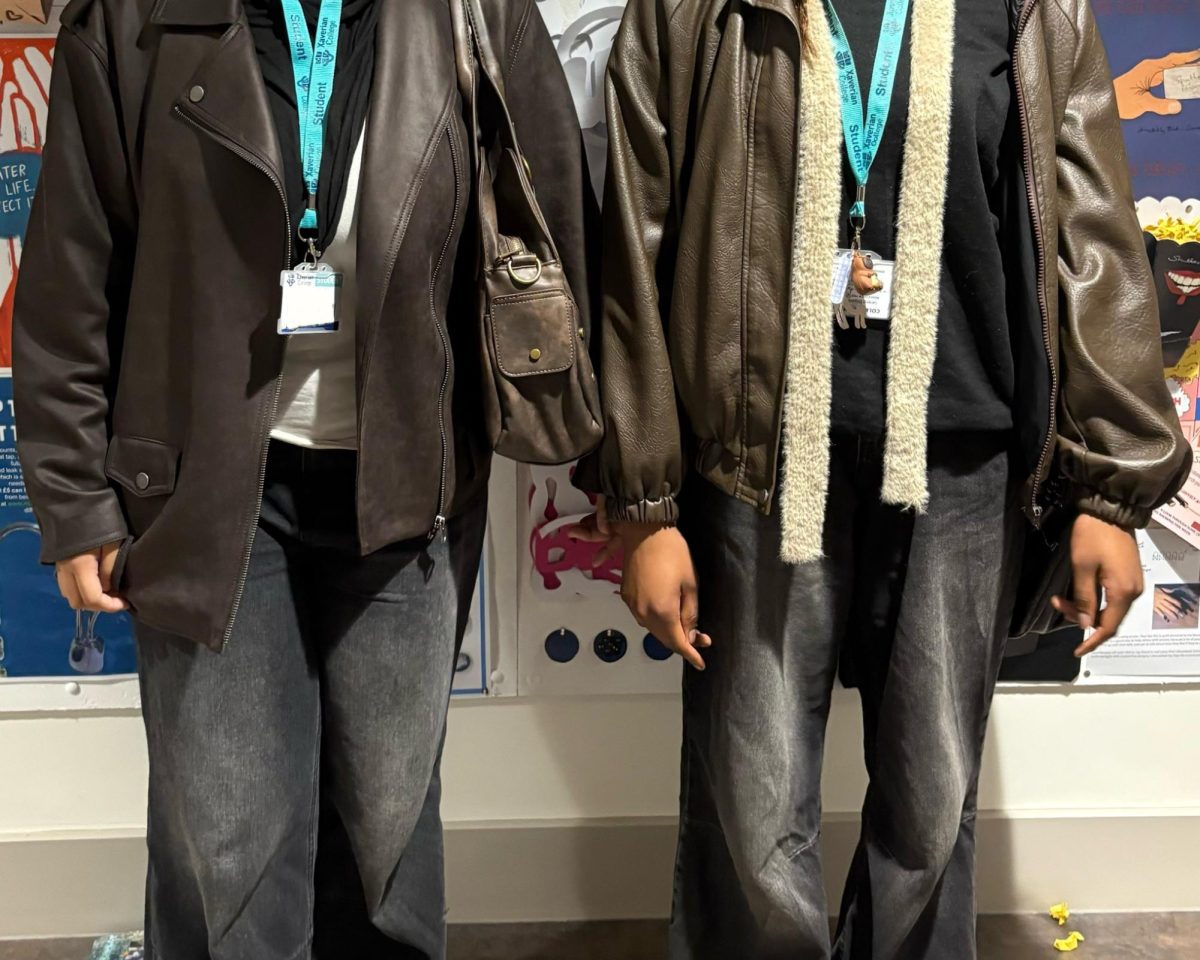
Amelia, a Xaverian student, expressed her love for second-hand shopping: “you can find a lot of cool pieces from different eras of fashion that aren’t being sold/ made anymore” and because “it’s better for the environment.”
So, next time you want to take part in the latest trend why not give your local charity shops a go? You might just find your new favourite outfit, and the environment will thank you too.
Holly • Jun 29, 2026 at 7:28 am
I really loved this article! Less carbon emissions is amazing!!!
hawa • Jun 29, 2026 at 7:27 am
I agree with the opinions in this article and it is important to educate people about how fast fashion is not always the best option. It has made me consider my shopping habits and why I choose to shop at fast fashion brands and shops instead of charity shops.
amelia • May 5, 2026 at 5:50 am
Wow! Very well researched article and I enjoyed reading it. Its definitely made me think more about shopping second hand.