











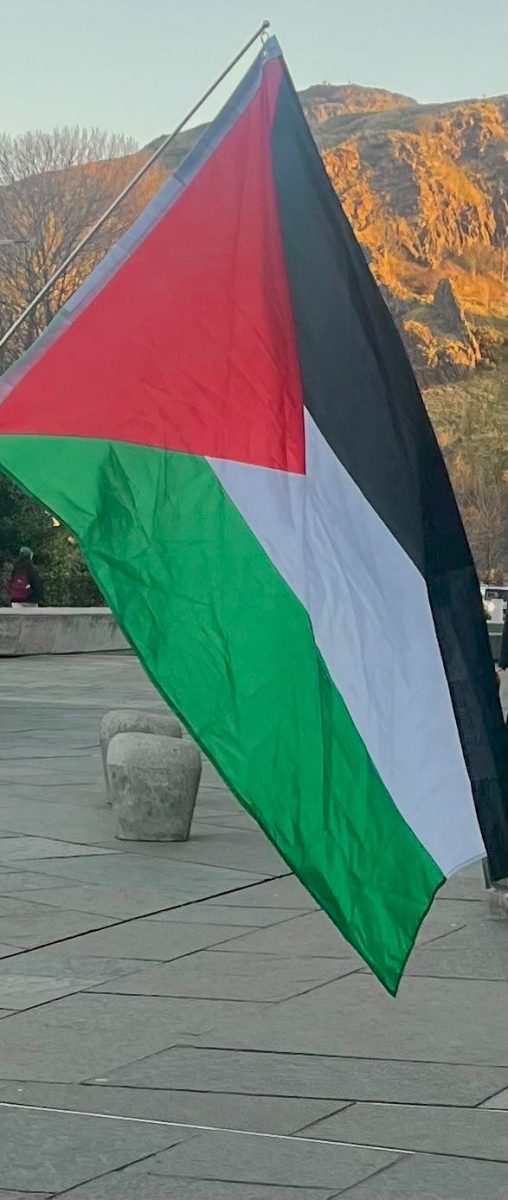
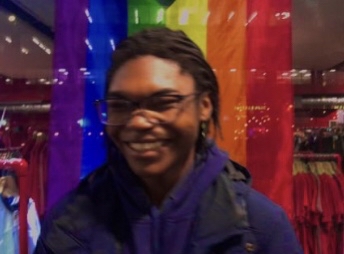
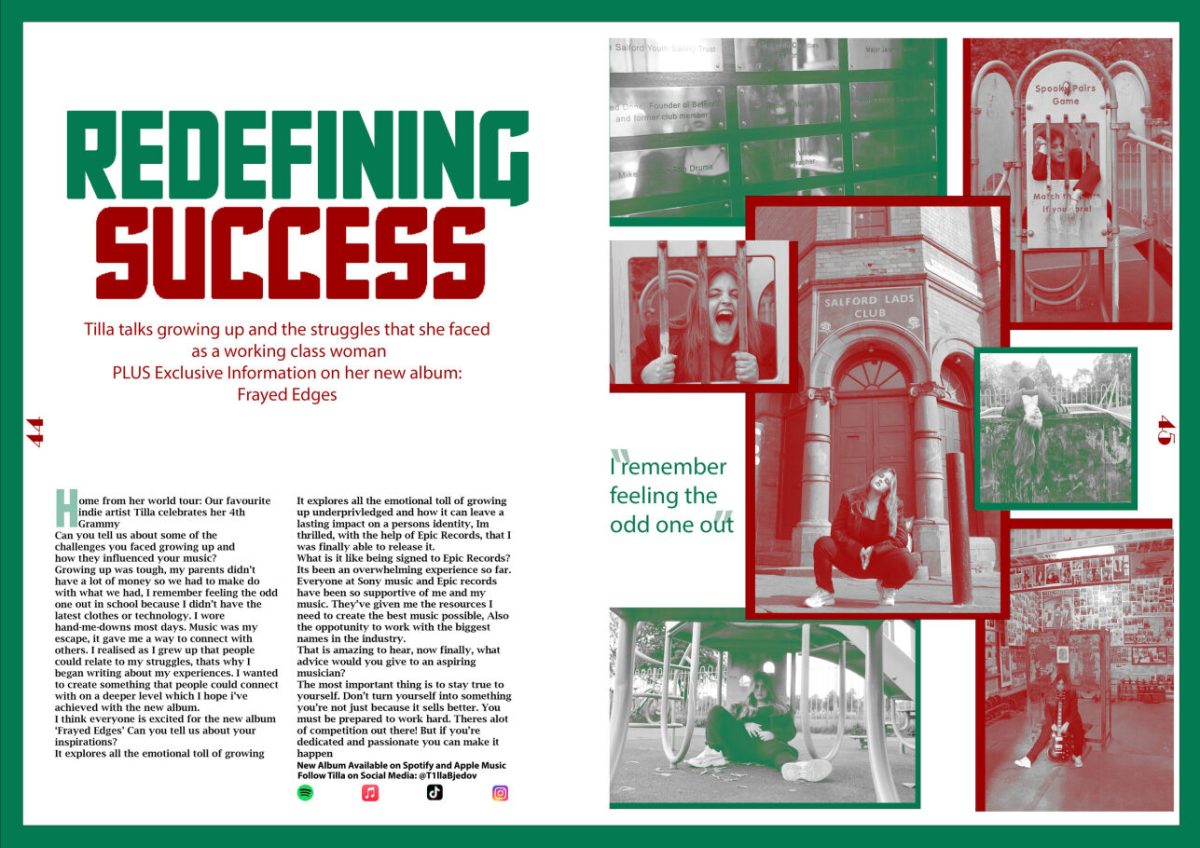
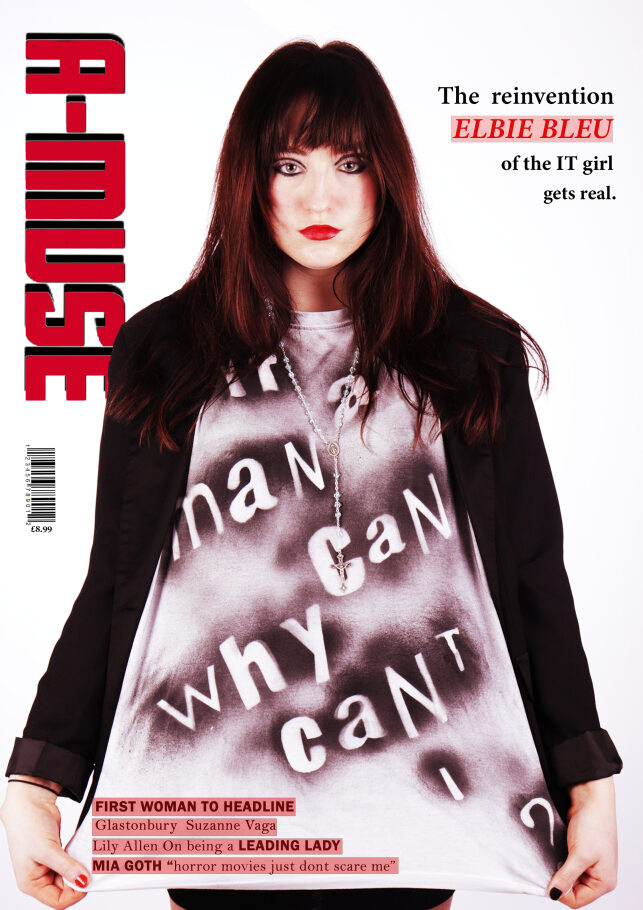
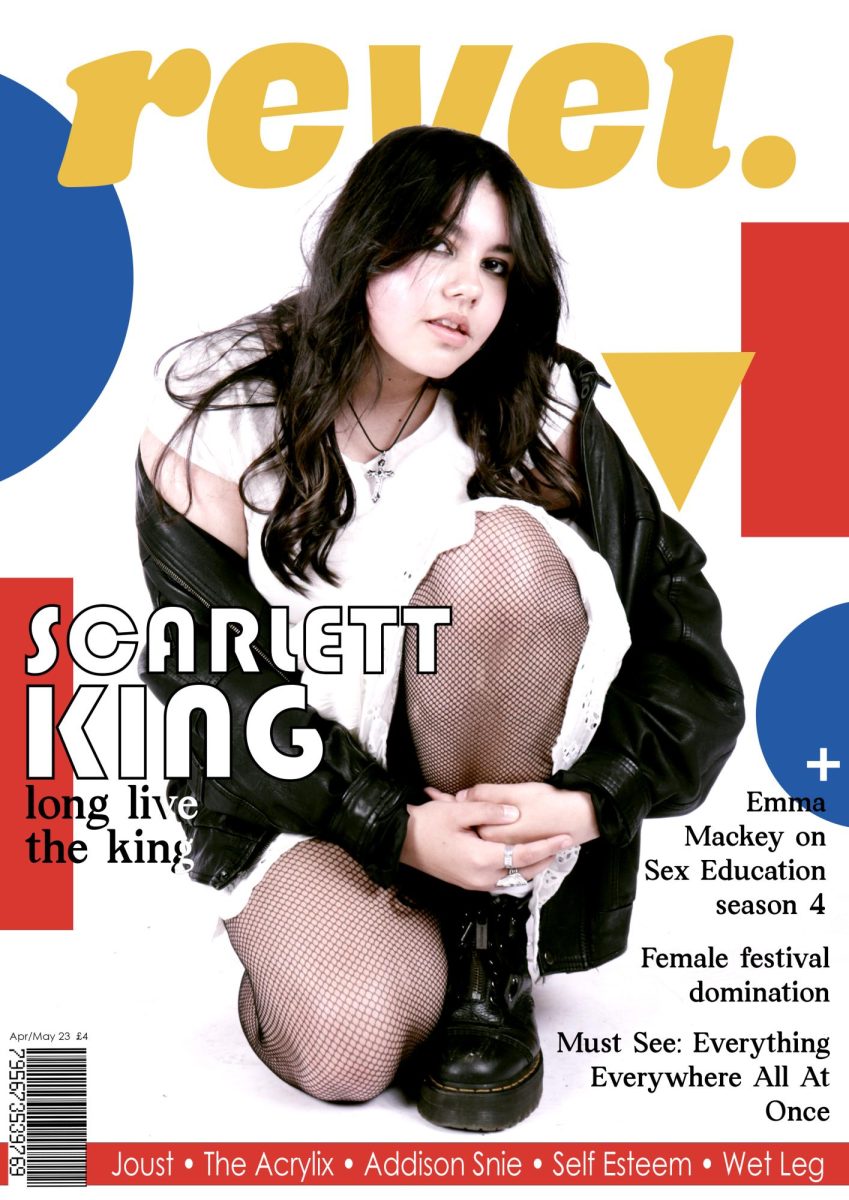
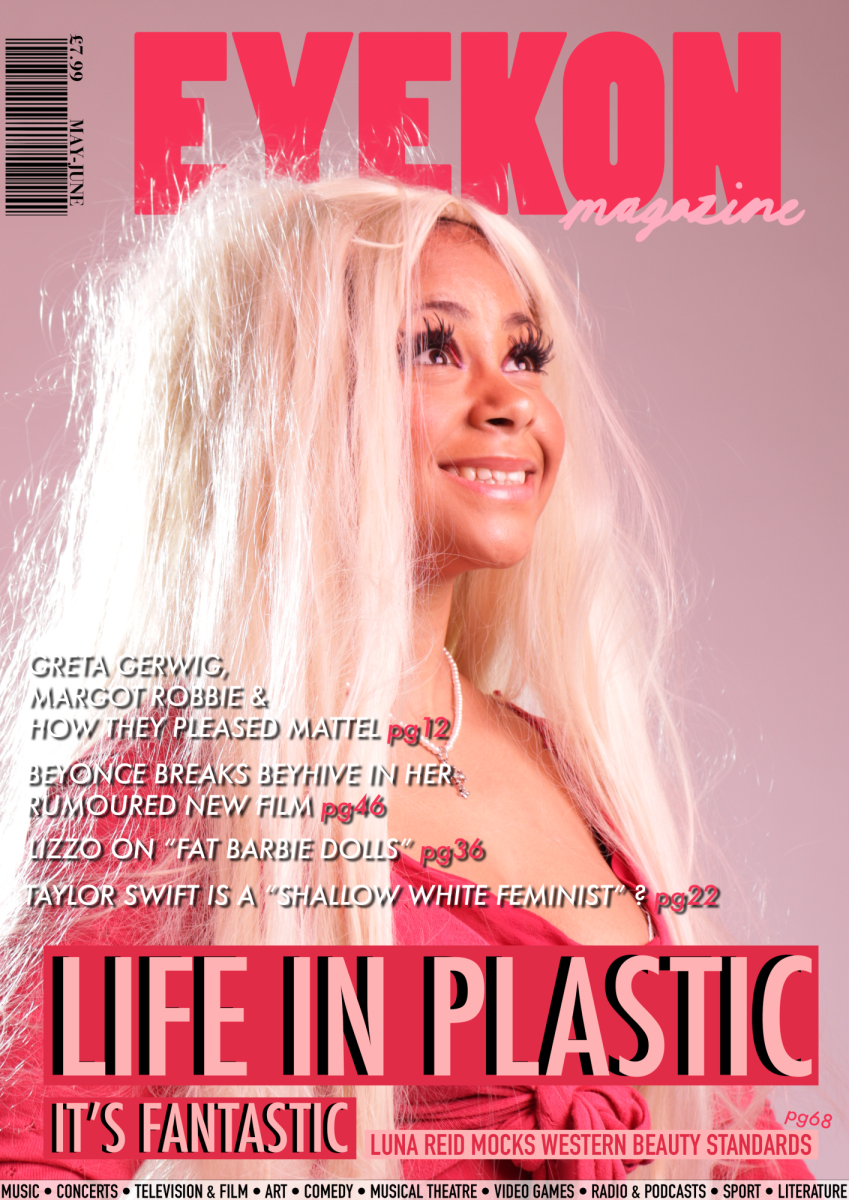
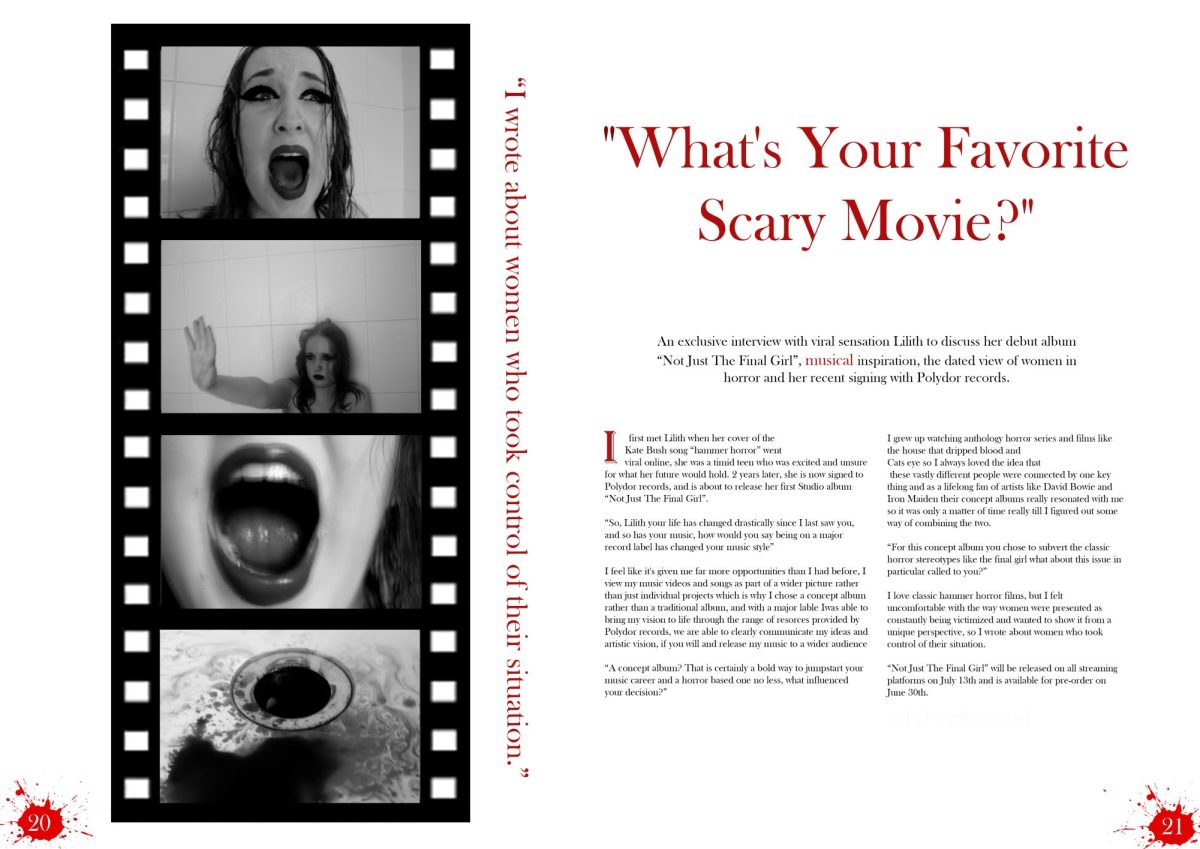

The Harry Styles Vogue cover almost broke the internet with its subversion of gender stereotypes in clothing. But was it truly as revolutionary as we think? Women have been wearing trousers since the 1940’s. Yet that is not nearly as controversial or empowering as a man in a dress. Is masculinity just the norm now? Or can we truly have equality in our clothing and treat men in dresses like women in suits – normally.
The feminine masculine is the new trend within fashion. Barbara Shepherd, reader in Fashion Business at Manchester Metropolitan University comments, “The strongest recent academic and industry evidence shows that most gender-neutral clothing still borrows more heavily from masculine design silhouettes. In gender ‘neutral’ design frequently means removing feminine silhouettes rather than balancing both aesthetics.
“Lighter colours, softer lines, more accessories are making their way into menswear, both on and off the runway. A historical fashion ‘icon’ was Louis XIV, known for his flamboyant colours, and the famous painting – Portrait of Louis XIV, 1701. High heels were designed for men and were popularised by nobility in the 17th century, pastel colours, mixed with deep reds, purples and baby blues in the layers of clothing they would wear, quickly went out of fashion due to extreme masculinisation in fashion just before the Victorian period. The lack of colours, heels and whimsy in men’s clothes has continued throughout the 20th century.
Dresses and Harry Styles aside, skirts and long robes have been worn throughout history in often very masculine situations; trousers on women have often presented themselves in distinctly feminine environments too. Ancient Greeks and Romans wore military skirts for better movement during wars and pillages. Monks throughout history have prayed in vestments and philosophers in ancient libraries have argued in robes held up by their arms. These typically masculine spaces have always had ‘feminine’ aspects to them.
Women wore trousers in the 17th and 18th century to go horse riding. Land girls and factory girls during the first and second world wars wore trousers. In the 60’s and 70’s, mothers wore trousers while nursing their children and then wore them to feminist protests.
We have constantly seen a subversion of our modern perception of gendered clothes, and yet we still fight over it and try and keep ourselves contained. Shepherd agreed that, yes — historical fashion definitely affects today’s designs, “but designers don’t copy it exactly, they pick and choose ideas, adapt them, and use them as inspiration in ways that fit modern style, materials, and society.”
“I just use fashion as an excuse to talk about politics” – Vivienne Westwood. Our fashion is a direct reflection of our political climate. The freedom of expression outside of patriarchal and masculine dominated spaces breeds a more welcoming and open society. Far-right ideals thrive on misogynistic and hyper-masculine ideals. Fascism dictates strict patriarchal standards and makes a point to oppress women and reduce them to housewives, with a lack of financial independence and a lack of agency. The clothes, on women, featured on fascist propaganda are often modest, plain, and centre on their role as mothers such as aprons or with a child at her dress). Contrastingly, the clothes that the men wear on said propaganda are sharp lined suits, military wear or, interestingly, open neck shirts. The open neck shirt is a sign of vulnerability, but also extreme strength. It often extenuates the physical and societal power men hold in fascist states, and thus the lack of power women has.
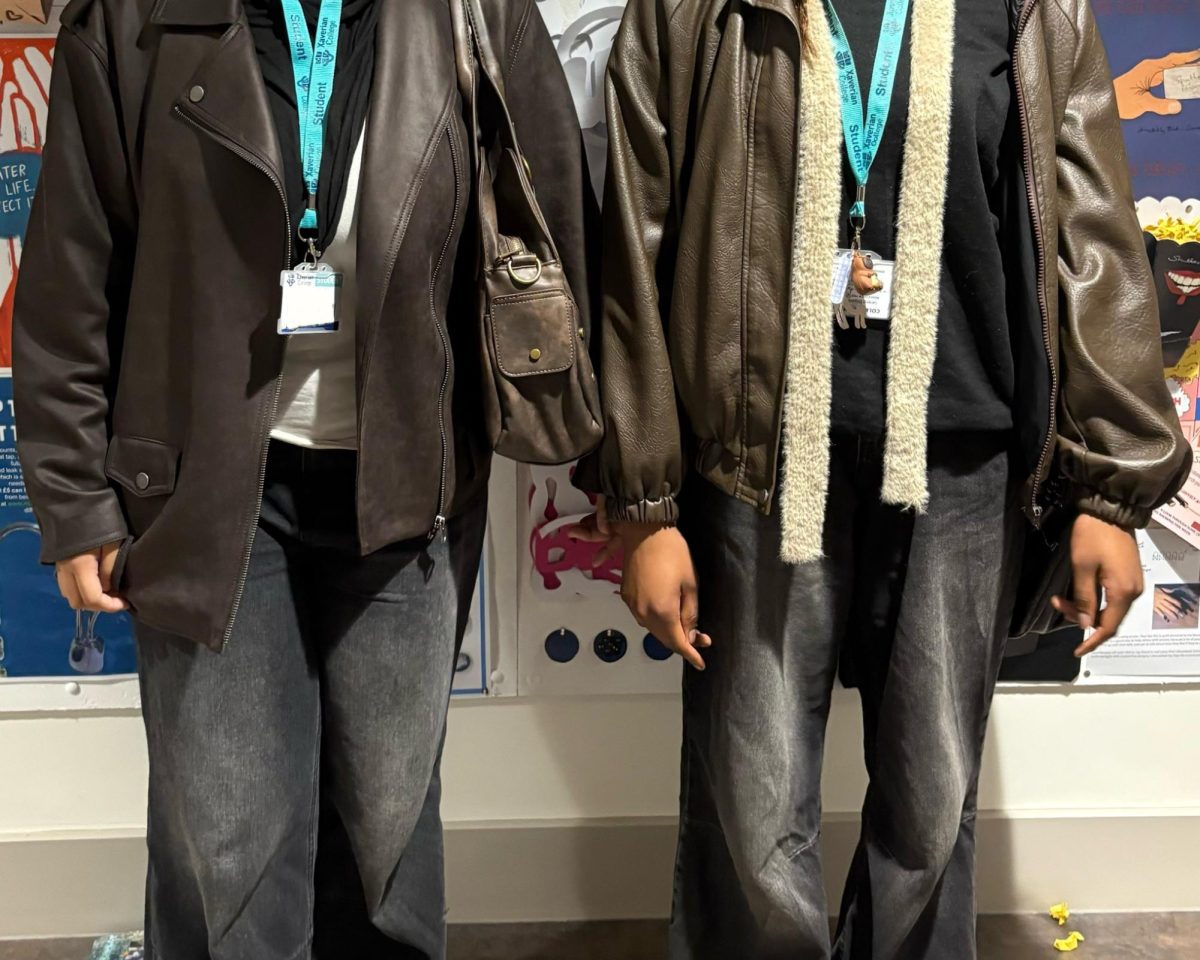
On the other side of this, people have also rejected these rules, through wearing the opposite genders clothes. We see examples from Weimar Germany, fascist Italy, and authoritarian USSR. Especially in queer communities, women don top hats and bow ties and the men wearing bold lipsticks and lashes, lifting their can-can dresses to scandalise the audience. This purposeful rejection of expected fashion highlighted how the clothes that one wears can directly oppose a movement, a government, or a set of values. Xaverian students say that they wear clothes to “subvert society” and to “show that they are more than what people perceive”.
“Any increase in gender neutral clothing I think really is driven by younger consumers redirect rejecting traditional strict binary categories”, is the view observed by Shepherd.
Nara Smith and Ballerina Farm. We see people teeter into the ‘old’ aesthetic, glorifying being a housewife and in ‘Ballerina Farms’ case, having your dreams stripped away from you because your partner wants you to stay at home and cook for your kids, all day, every day. We see their fashion thrive in muted colours, mainly dresses, and higher necklines. Less so with Nara Smith, due to her (still) thriving career in modelling, but the sentiment still stands. Her and her husband represent a certain traditional aesthetic.
But is neutral really the way to go, or is it stripping us of our individuality and freedom of expression? Gender neutrality eliminates the need for gender expectations, but it could also erase the identity that gender-neutral fashion often involves – a distinct lack of style and colour, really embodying the ‘neutral’ in its name.
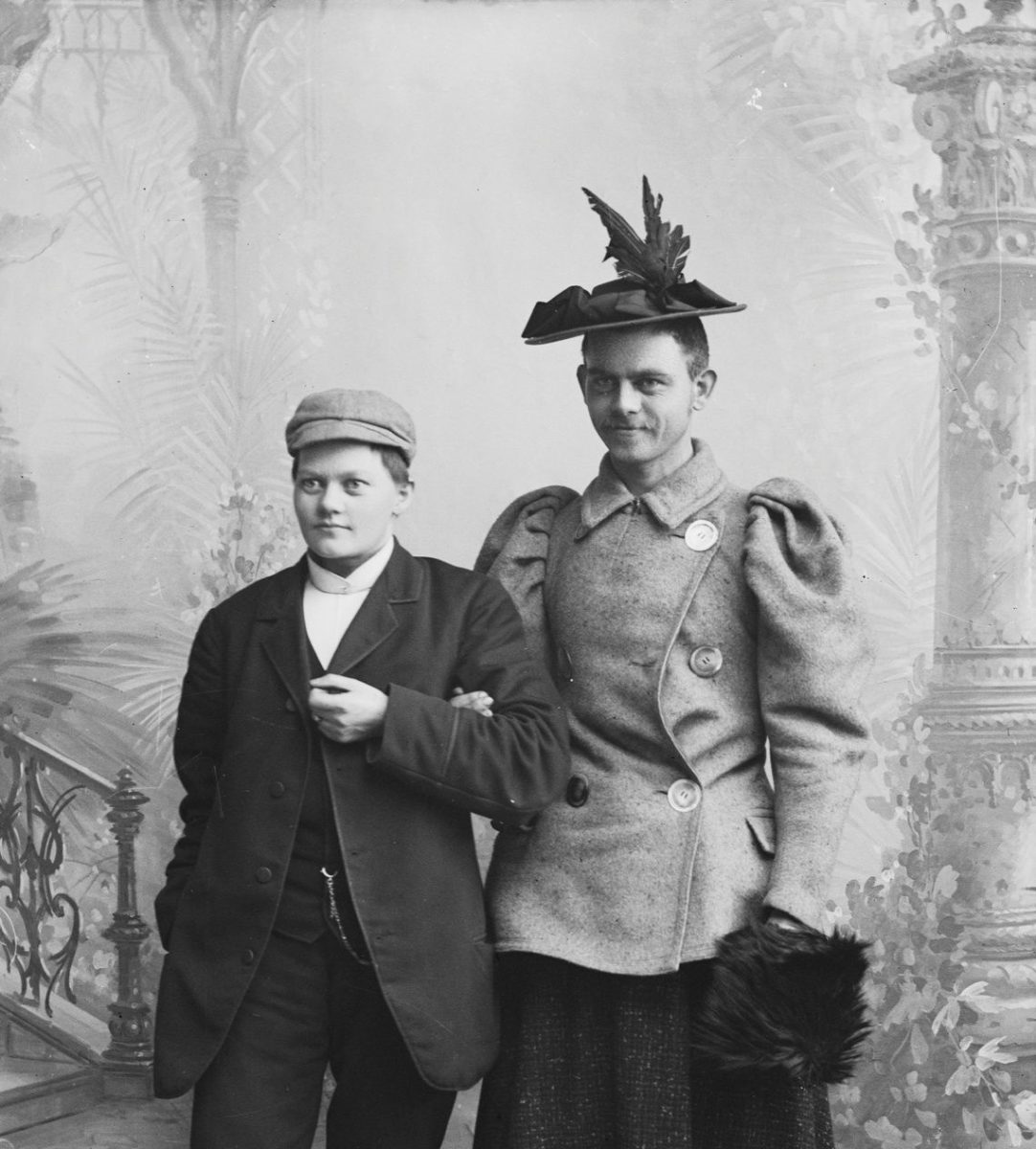
Fashion is a way of expressing who you are and what community you belong. Should we take away that expression in favour of a more balanced, neutral society? The idea of ‘neutrality,’ at least to me, is about letting the gendered fashion we have now be interchangeable and fluid, made to suit anyone in any expression. A men’s blazer can be worn by a woman just as a woman’s blazer can be worn by a man. That is neutral. Just like Mary Hoeg and her brother, clothes should be a way to unite people and communities, and should be worn lightly, but with intent.
Deborah Ferryman • Apr 29, 2026 at 3:41 am
Interesting picture, I would have liked to read more about the people pictured. The fact that it was a ‘big deal’ when Harry styles wore a dress shows how far we still need to travel in order to disrupt ‘the gendered norm’ but I suppose it is a positive sign that a mainstream pop artist was able to do that.