

















Social media is a uncontrollable and growing part of our lives as young people, its unavoidable with roughly 95% of teenagers owning phones. Its a platform where we can stay in touch and adapt to cultural changes in society within seconds, which can be argued more harm than good. This rapid access of users globally has proven to have negative side effects such as 7 in 10 young people experience cyber bullying and people worldwide suffering from isolation due to being socially disconnected from their surroundings. With 67.8 million internet users in the UK, it is inevitable for dangerous and long-lasting effects to be attached to our constant dependency on these platforms.
Our online behaviour has reached an abnormal paradox. Everyone seems to now have adapted to this new fixation of individuality, whilst simultaneously participating in fast past trends creating uniformity that consumes said “individuality”. This constant pursuing of the latest trends and grasping onto your algorithms comes from our want of community in our socially disconnected generation, somewhere to share our “commonalities” with. Yet, i wonder how that could be possible with our loss of authenticity? Social media has damaged our sense of community by making us to share aspects of our lives for a degree of acceptance.
Social media takes advantage of our naive vulnerability
“There is an entire generation that never knew anything that didn’t come out of this tube. This tube is the gospel, the ultimate revelation; this tube can make or break presidents, popes, prime minister; The most awesome propaganda force.”- Network (1976)
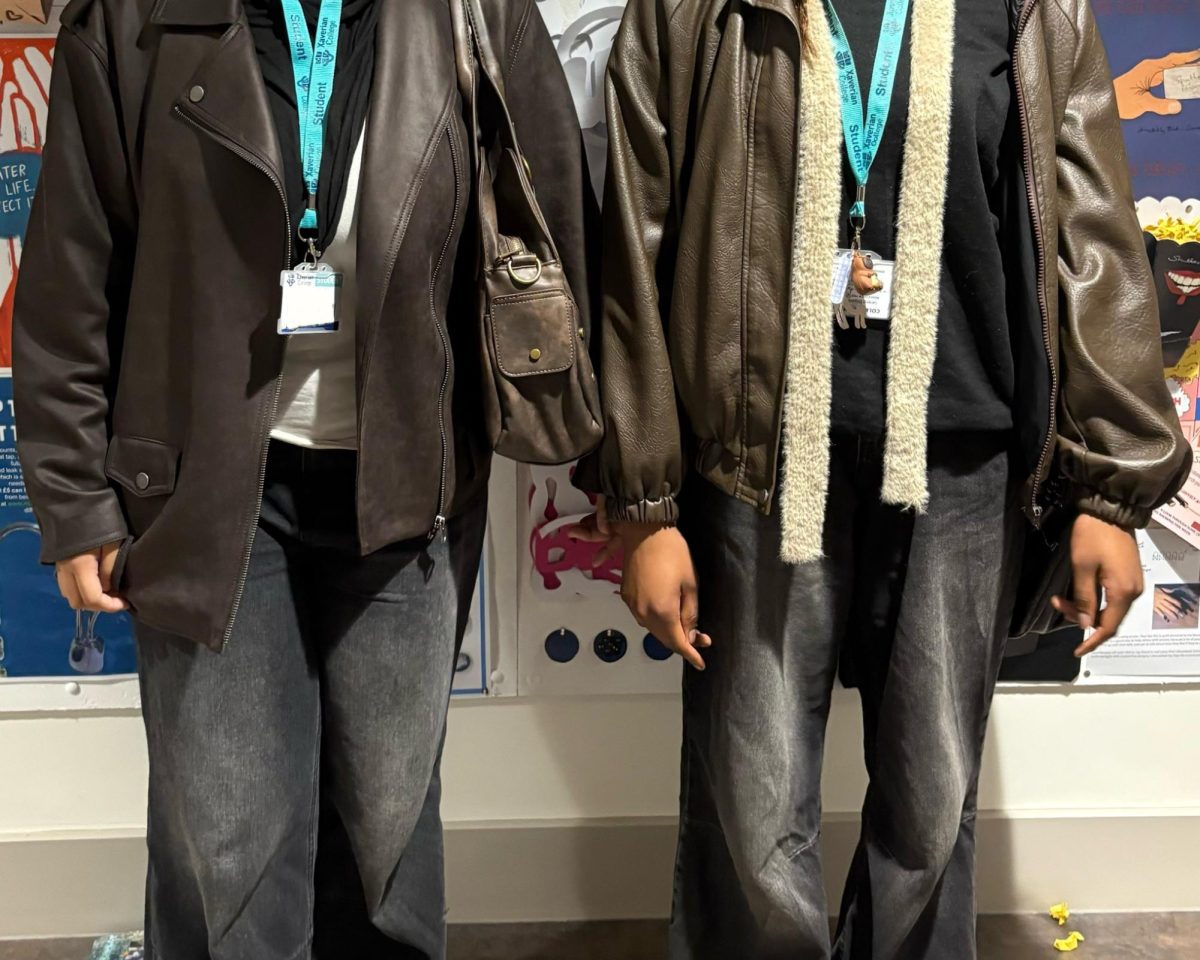
“You can tell someone’s screen time from their outfit” said Madeleine Schuiz and its frighteningly true, the same shirts, sweaters, shoes that are worn by people believing they are following a niche trend whilst looking like clones of one another. The faster a trend dies the sooner we are primed to buy and catch up on the upcoming ones before falling behind and feeling FOMO, this feeds from the concept of social proof- the idea that we look at other to guide our behaviour. It shouldn’t be mistaken that trends are a bad thing as every generation had its own trends like the hippie movement of the 1960s, its the impacts it leaves on our society. We don’t allow ourselves to go through awkward stages of life which gradually lead us to our authentic selves, this fast paced and constructed looks we put ourselves in submerges our natural self.
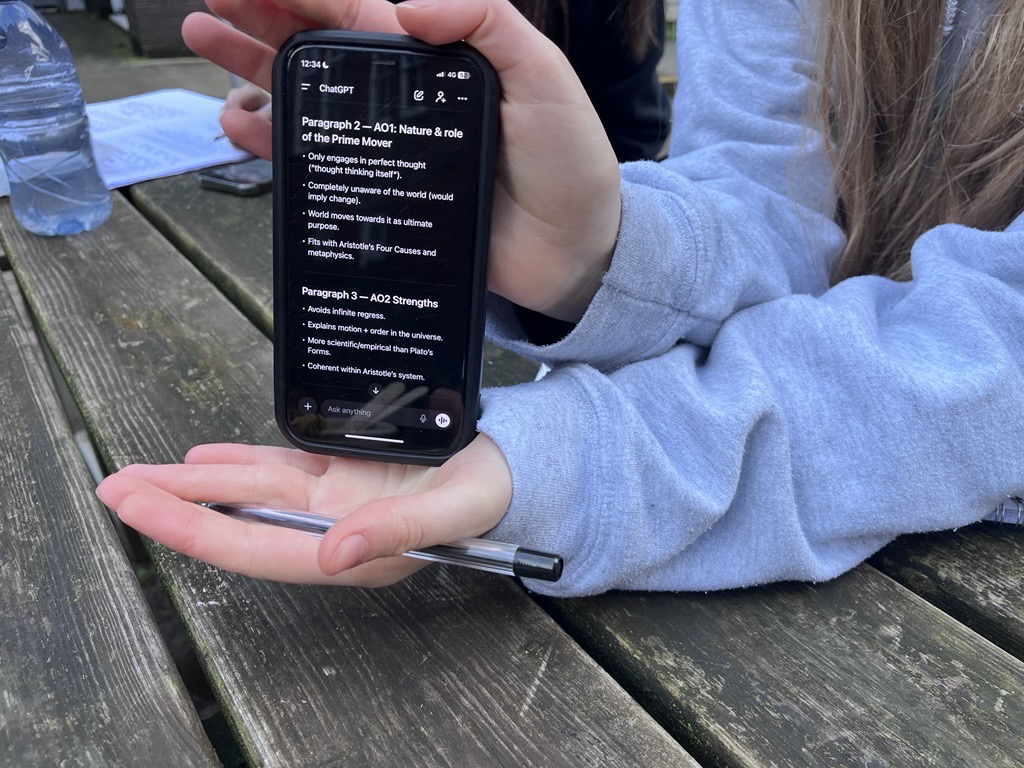
“I have to craft a narrative with a viral hook that fits my niche and all the other jargon from a chat GBT list some social media guru posted on their Instagram.” -Sumayah Kazi.
This issue formed by social media has also put immense pressure on fast fashion workers. Lenier from Sustainable and Just futures mentions how: “the folks who work in fast fashion factories are now under an incredible amount of pressure to turn out even more, even faster.”, as well as Earth.org finding evidence of forced and child labour in the fast fashion industries. The ones who are suffering from our inconsiderate attitudes are people and children who are enslaved in inhumane conditions, not company owners nor us. As Pasty Perry says: “less is always more.”
If we so crave community, why don’t we actively seek it?
There’s many reasons for this. We live in a society that promotes individuality which causes us to be too self righteous and centred.
The reason we are unable to settle and find a place fit for us is because our idea of community is disorientated. “People often lean toward constructing an online narrative embodying how they want to be perceived by others rather than who they really are”, says a Standard article, social media has curated a culture of conformity where we have to adapt to culture changes on social media to not feel isolated and “different”. The prominence of social media, near universal for 99% 16-24 year olds to use social media, has helped create a vulnerable and ‘easy to reach’ platform to push personas and standards that promotes young people to distance from others and feeling misunderstood because of the strong “herd mentality” that clearly exists on social media. We as humans rely on human interaction to feel like we exist and hold a place in society, but the individualistic society our surroundings promote has made it unappealing to be considerate or acknowledging of other people through numerous factors specifically how being online consistently has encouraged egotistical mentalities in our generation.
“70% of teens said they feel left out or excluded because of social media.” Throughout centuries of history humans have began categorising each other, like present class systems or slavery, in knowing that by separating people the division would prevent people coming together and seeking fairness amongst each other. Our generation is proof of this concept weaving through us due to wanting communities with criteria’s rather than facing one another with our true self. Social media has enforced and parted our ways with potentially finding communities fit for us.
What good is social media?
Social media has laced itself into our everyday lives more than every before, we scroll through unfamiliar faces before acknowledging our loved ones, talk on “controversial takes” and debate with points read through comment sections rather than fact and research. Social media is a power vacuum, thriving through us.
Although truthfully to admit social media has provides everyone a platform to spread awareness and opinions allowing everyone to have influence and an opportunity of acknowlegment, as the National Library of Medicine says “80% of teens feel more connected to friends’ lives” and you’ll still always find people with a similar vision, bringing you closer to people who “understand” you as Yousef say. It has undeniably guided life to become more democratic. However, this doesn’t bypass the void it has left in young people, allowing companies to manipulate algorithms to target groups such as children in immoral ways, ways they know will work on their audience to maximise profit. Companies have begun to strive through our identity crises and isolation through the abundance of options stuffed at us and lack of commitment that suffocates us.
We need to take the time to think what we would be without all these materialistic products curating us. Does any of this mean anything to you? Or does it support the image you’re trying to portray and group you want to squeeze into? It is important that we make time for our lives off of screens and the internet, to experience human interaction, social isolation with a 29% increase in premature death. Acknowledging the health and cognitive risks that come alongside giving ourselves over to the internet and prioritising the people around us in our lives will prevent the harms and side effects of indulging in social media from consuming us.
Maoa • Jan 13, 2026 at 6:10 am
really well written and I loved the picture 🙂
Jacqui Shirley - Organiser • Jan 9, 2026 at 5:43 am
Interesting and thoughtful article on the negative affects of too much screen time
Emmanuel • Jan 8, 2026 at 5:20 pm
I love it, so educated and inspiring
Alisha • Jan 7, 2026 at 7:31 am
Brilliant article and I love the acknowledgment of how the internet democratises knowledge and the ability to be heard. However, didn’t feel as if it had a specific message