



























The second the lights go down in the cinema screen; the outside world goes quiet for a few hours. No frantic checking of notifications. No running out the room quickly to put the washing on. No laptops set up on your lap to ‘multitask’ both your assignments and the film in front of you. Just pure focus on the story that is about to unfold.
Streaming services have rapidly grown in popularity and membership in the last decade. CEO of Netflix, Ted Sarandos, says the ‘‘convenience and comfort of home [is] unbeatable’’. Between 2015 and 2024, subscription video-on-demand penetration in UK households increased by 240%, from a fifth to more than two-thirds according to Uswitch . However, this is at a detriment to the cinema industry, as between those same years’ admission to cinemas in the UK has dropped by 48 million.
On-demand streaming sites are perfect for binging our favourite TV shows till 4am. However, they could be accused of limiting the creative potential of films. Netflix’s studio-scale production to provide the next hit movie has ramped up at a pace that requires consistency across dozens of shows and hundreds of shooting days, causing the lighting to be built to eliminate risk. However, this causes the so called ‘Netflix Lighting’, characterised by flat, highly lit frames throughout films. Additionally, streaming sites often enforce strict technical guidelines to ensure high quality streaming, often demanding directors avoid excessive noise or dark and low contrast images. This may appear poor quality on someone’s phone yet creates an enthralling atmosphere when displayed on a cinema 50-foot-wide screen.
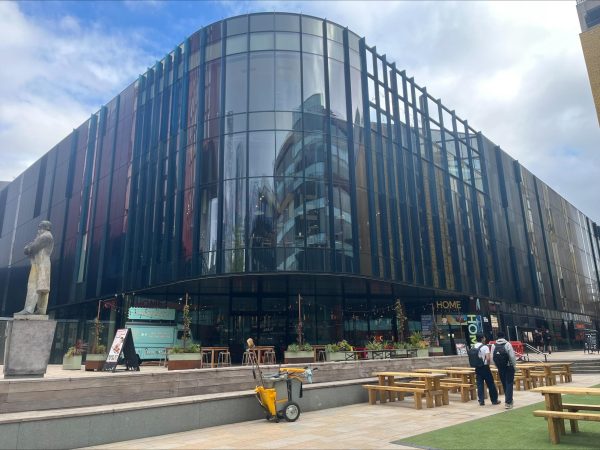
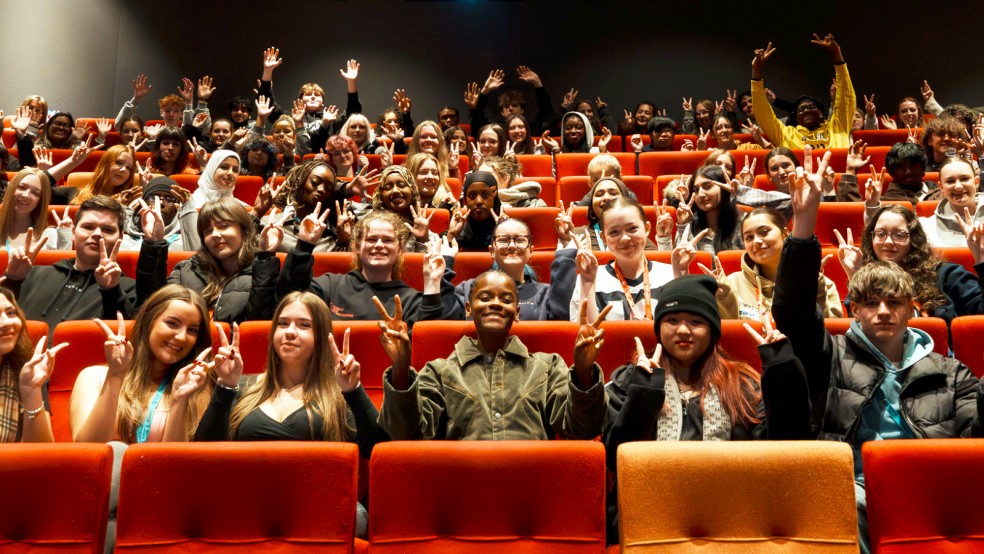
It is independent cinemas that are suffering the most from the rise of on-demand video. Half of independent cinemas are currently operating at a loss, partly due to lack of funding but also due to decreased audience numbers. Dominic croft, AV Supervisor at HOME, an independent cinema, theatre and art gallery in Manchester city centre argued ‘supporting independent cinemas in Manchester starts with recognising how vital they are to the city’s creative life’. To him, ‘‘recommending a screening, sharing events online, or encouraging friends to come along’’ helps support venues such as HOME that not only show films, but run workshops and art exhibitions.
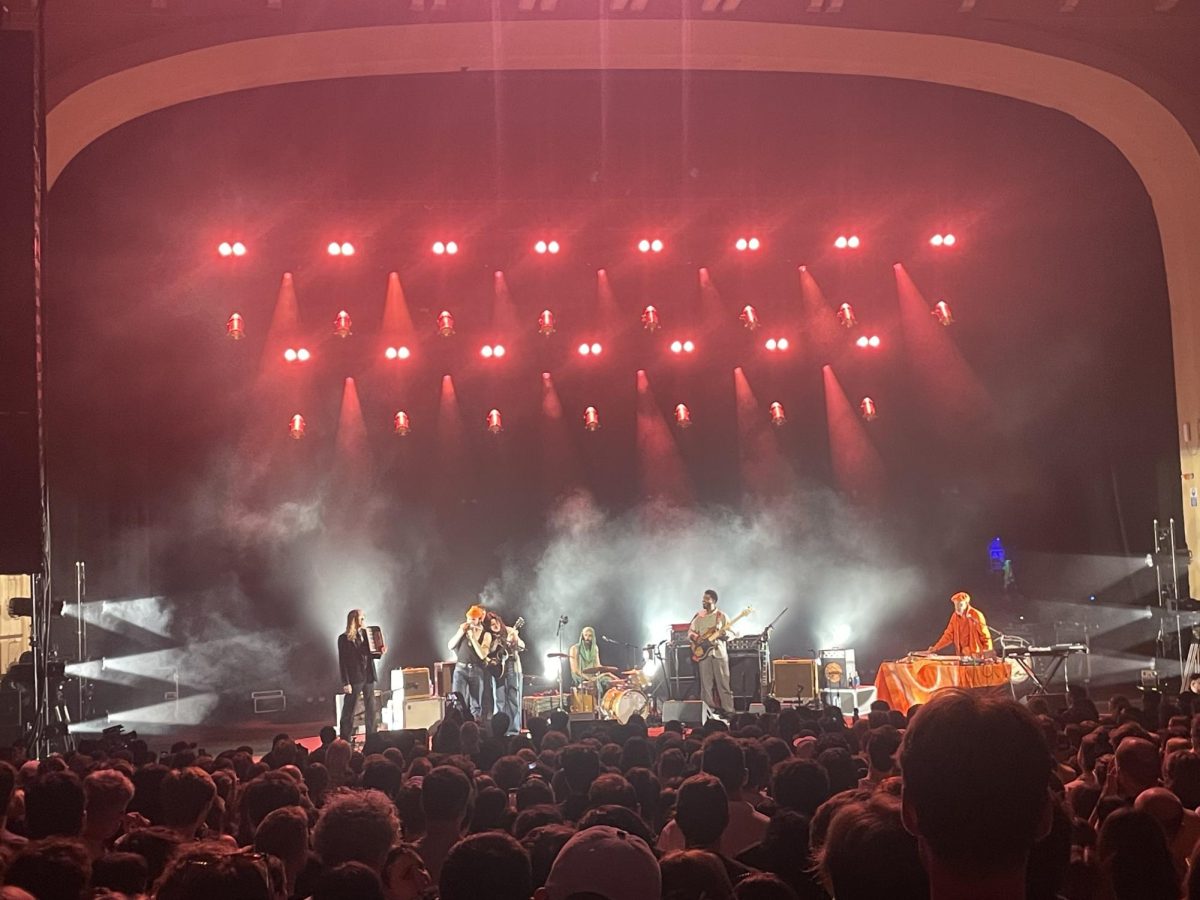
Streaming has made movies convenient and portable- but cinema makes them an experience. As one film student told xavazine, when watching Mullholand Drive at a ‘David Lynch Retrospective in January at his local cinema, a film ‘he’s watched countless times, everything about it was just better there- I felt immersed in its sinister and unsettling atmosphere, and the full cinema actually sat in silence the whole credit role, with an almost tangible emotion in the air’.
Understandably, streaming is widespread and unlikely to go away, as CEO of Netflix Ted Sarandos noted, “convenience and comfort of home is unbeatable”, and there is a strong argument that streaming services investment in TV shows has improved aspects of the quality and undoubtedly accessibility of our favourite shows. However perhaps as a society we can move forward with a hybrid approach of streaming and cinema outings, so as not to let the art of cinema die. Let’s as a student body allow cinema to become a social outing again, involve ourselves in as many creative projects in independent venues round Manchester as possible, yet still enjoy the 3-hour binge of hit shows at 2am.


Tasnim • May 16, 2026 at 3:51 am
This article really displays how connivence isn’t always the best alternatives. Many movies were produced with a cinema audience in mind which we should appeal to and acknowledge instead of letting cinema become diluted.
Miss Healey • Apr 28, 2026 at 8:59 am
Great article Theo, well done.
Rino Pucci • Apr 28, 2026 at 8:56 am
That image of the audience sitting in silence and just letting the film settle is brilliant. Mulholland Drive really does have that effect – it lingers in a way few films can. I’ve seen it multiple times and it somehow feels richer, and more unsettling, each time, especially on a big screen with a room full of people completely absorbed in it.