






















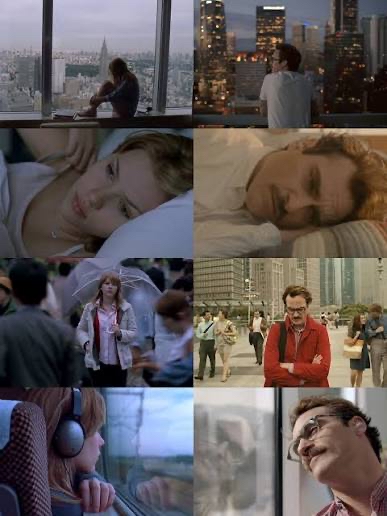
In 2004, Sofia Coppola won the Oscar for Best Original Screenplay for her 2003 film ‘Lost in Translation’. Ten years later, Spike Jonze won the same award for his 2013 film ‘Her’. Both directors made their films about each other and the isolation they felt while being together. The films were made ten years from each other and have striking similarities including both feature Scarlett Johansson as the leading actress. The similarities go deeper and are embedded in the visual and linguistic codes of both films.
The main theme of both films is loneliness. ‘Lost in Translation’ explores disconnection from people, even the ones closest to you, while being set in one of the most bustling cities on Earth. Whereas ‘Her’ explores that even while talking to someone daily, you can still be so alone, with the main character’s love interest being an artificial intelligence bot. Both films explore loneliness with undeniable connections linking art.
Coppola and Jonze got married in June 1999 and the divorce followed only four years later, and from the divorce ‘Lost in Translation’ was born in quick succession. This masterpiece follows Charlotte, who is stuck in an unfulfilling and exceptionally lonely marriage. In a 2020 interview with Bustle magazine, Coppola told journalist Samantha Leach that her marriage to Jonze was her “practise marriage”. The sense of loneliness is evident throughout the film in the mise-en-scene and Charlotte’s dialogue, featuring quotes like “I just feel so alone, even when I’m surrounded by other people”, perfectly articulating the sense of isolation that the entire film inhabits. While the isolation is objectively painful to Charlotte (and presumably Coppola), it is also crucial to the person she is yet to become, harkening back to the Bustle article, where Coppola told Leach: “I always tell my kids they can’t get married before they’re 30 because you have to really know who you are first”.
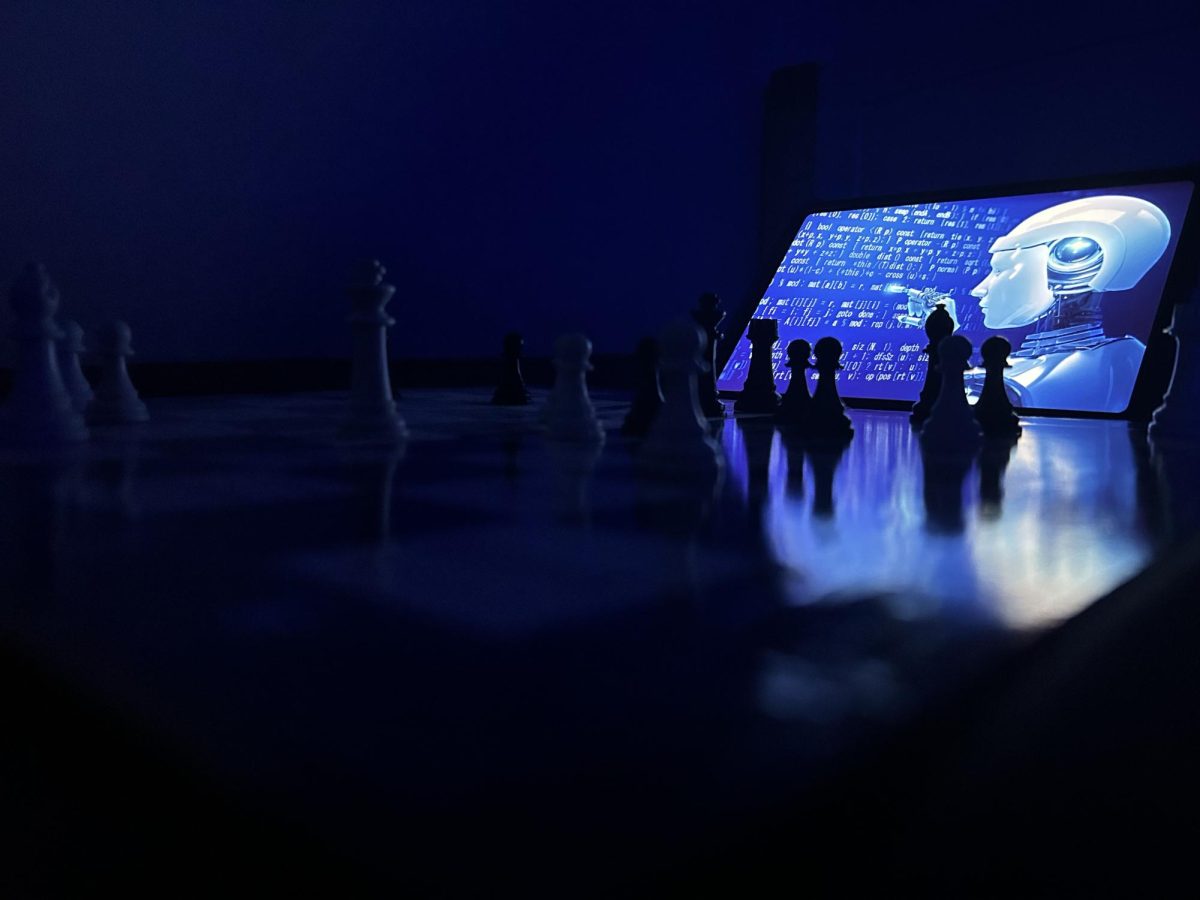
Jonze made ‘Her’ in 2013 about the loneliness he felt without Sofia, similar to the message that the marriage itself was the loneliest place to be in Coppola’s film. ‘Her’ follows the character of Theo, navigating life after his divorce from his first love. In this navigation, he discovers love in an unlikely place, with an AI bot. However, is this a coping mechanism? While Theo ‘copes’ through constant connection with a robot, Jonze ‘coped’ by making a visually captivating film. Phil Drinkwater, Head of Film Studies at Xaverian (and Sofi Coppola enthusiast) said: “Yes, one hundred per cent. It is sometimes the most fundamental way to cope, it proves how important art is for the artist and in an even bigger way it helps other people focus on even bigger issues. Even if it’s not fully relatable to the viewers situation, all that matters is the interpretation that is meant for you.”.
The film ‘Her’ had similarities to ‘Lost in Translation’ in the cinematography, with parallels that cannot be ignored. The parallels in the two films have led viewers to believe that these films were companion projects, letters of love sent back and forth. Phil Drinkwater told me “I don’t consider Lost in Translation a love story in a romantic sense, it’s more about a fleeting connection without an underlying romantic quality. But because they connect through circumstance and recognise something in each other. Her is more of a love story but Lost in Translation is more of a moment between two characters”.
I agree that these films are not love stories, and if anything, reflect heartbreak and isolation. However, they represent the love and regret that Coppola and Jonze share- or shared. The Oscar-winning heartbreak stories reflect the way a lack of communication can cause a marriage to bitter, and that loneliness can be a comforting concept, but should never be one caused by someone you love.