
























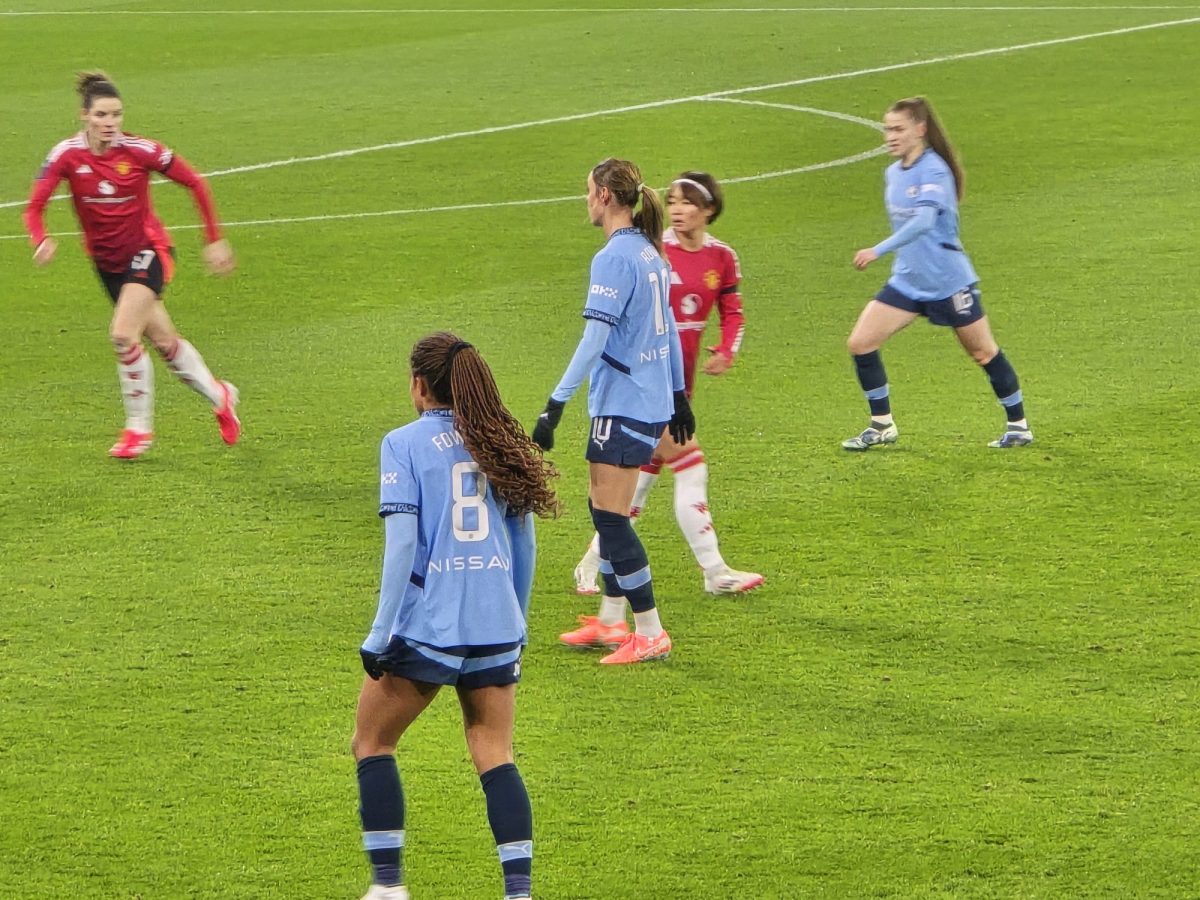
ACL stands for anterior cruciate ligament, a tear or sprain in the knee, most often occurring during sports with sudden stops or changes in direction. ACL injuries are becoming the biggest threats in the football industry with some taking over a year to recover, especially in women. In October alone at least 13 elite female football players were reported to of suffered from an ACL. This includes Michelle Agyemang , Lioness and Arsenal player at only 19 years old she confirmed her injury ruling her out for the remainder of the season however She still has a very bright future despite her setback being crowned young player of the tournament after the England lionesses Euro 2025 triumph for the second time in a row.
This makes it very clear that these injuries are becoming an increasingly difficult obstacle for many female players to overcome. They often take months to have surgery and recover ruling them out for the rest of their club season affecting both physical and mental health. Several reasons have been suggested including the lack of resources and medical facilities, lack of research put into the understanding women’s football in general and the anatomical reason.
So why are so many women suffering ACL injuries? One reason may be the lack prioritising put into women’s football in comparison to men’s including facilities and research. In women’s football ,last summer where it was announced that the Manchester United women’s first team had to move out of their training facilities to accommodate the men’s team and were moved into portable cabins for the rest of their season whilst the men’s team were having a 50 million investment to modernise their training buildings in Carrington, United’s co-owner Jim Radcliffe stated in his reference to the men’s teams: “We’ve been pretty much focused on how we resolve the first-team issues” this clearly demonstrates where the clubs focus lies.
Another main reason may be down to the medical background of the link between ACL injuries and the more likeliness in women. I contacted Caroline York, a physio from Complete Physio Rehab who suggested it may be several issues, for example some factors may be that girls are generally less active then boys in their childhood as they may not have the same opportunities as boys growing up to engage in sports she added that difference in anatomy and the role of hormones, hormones have become a risk as it increases laxity of the ligaments and reducing neuromuscular control, However Caroline also states although that there is knowledge, there is a still gap in fully understanding the influence of women’s hormones. Therefore, the medical factors and lack of facilities and prioritising for example the poor-quality pitches all contribute towards the injuries.
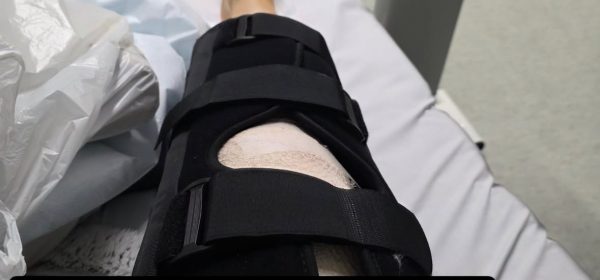
What is the recovery and surgery process like? Treatment and recovery is a lengthy process, the first step is an autograft which refers to the reconstruction using the own person’s tissue from either part of the hamstring tendons or quadriceps tendons to replace the ACL, or the allograft which the tissue from another person or artificial structure. Early recovery may vary but the patient is allowed to stay on elbow crutches for the first few weeks and then begin physiotherapy but restrictions with the first few months and including a variety exercise to include more dynamic movements, and the basic sports can return as early as 6 months therefore this physiotherapy is highly significant to return to sports and daily activities.
There is still plenty of research and understanding to continue however the equality in women’s football in still growing along with exposure of significant issues that need to be raised.

Jacqui Shirley - Organiser • Jan 9, 2026 at 5:47 am
Well researched article on important and relevant issue
abdul • Jan 6, 2026 at 5:38 am
i really like the use of subject terminology and research used
tasnim • Dec 22, 2025 at 4:40 am
disappointing to see how women are still suffering from societies ignorance, hopefully the more its acknowledged and seen in the media such as this article more change can happen